
The Discovery of our Treasure – Reportage from TV2
The Treasure Hunt

“Illustration created using OpenAI’s DALL-E tool.”
In the wild coastal waters of Runde, Norway, a new kind of treasure was discovered—not of gold or jewels, but of a rare microalgae with the potential to change the course of medical science.
For years, Arctic algae had suspected that deep within the food chain of this ecosystem, there could be a microalgae with unique properties. With high hopes they brought their discovery back to Arctic Bioscience’s lab, where DNA sequencing confirmed it: they had found a previously undiscovered species of microalgae, one that could be a game changer in treating autoimmune diseases and inflammation.

This discovery mirrors a legendary find in the same waters, just 60 years earlier. In 1972, divers stumbled upon the wreck of the Akerendam, a Dutch East India Company ship that sank in 1725, just a few kilometers from where Hogne and Sofie had made their discovery. The divers recovered 57,000 gold coins, making it one of Norway’s most significant underwater treasures. Like the Akerendam treasure, the discovery of the microalgae represents a rare and valuable find that holds a promise for the future of Omega 3 development.
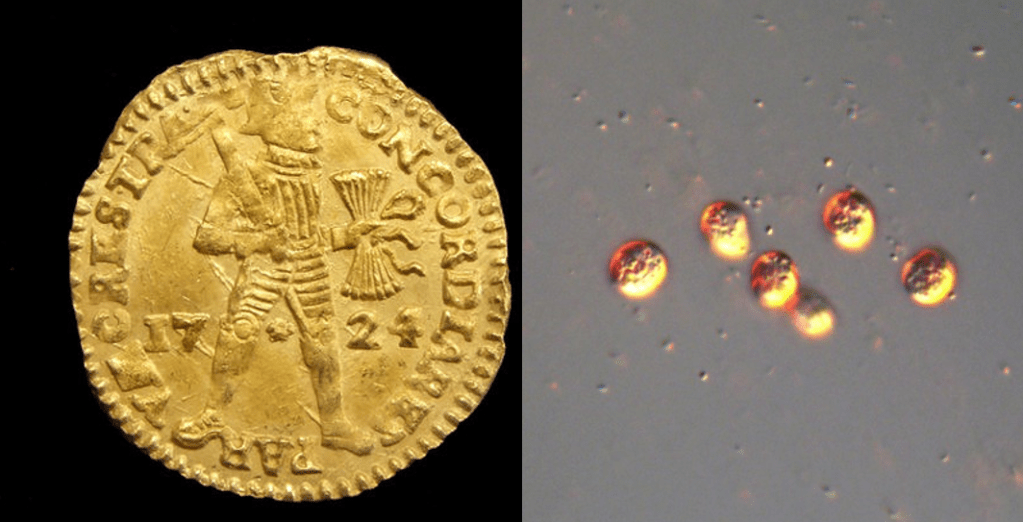
Their newfound microalgae, with its unique lipid profile, holds promise not only for Omega-3 production but also for developing a drug to treat inflammation in autoimmune diseases, such as arthritis and psoriasis. This discovery has already led Arctic Algae to patent the algae, ensuring that its potential will be protected as they work toward a commercial product. With further research and testing, they aim to bring this natural remedy to market within the next few years.
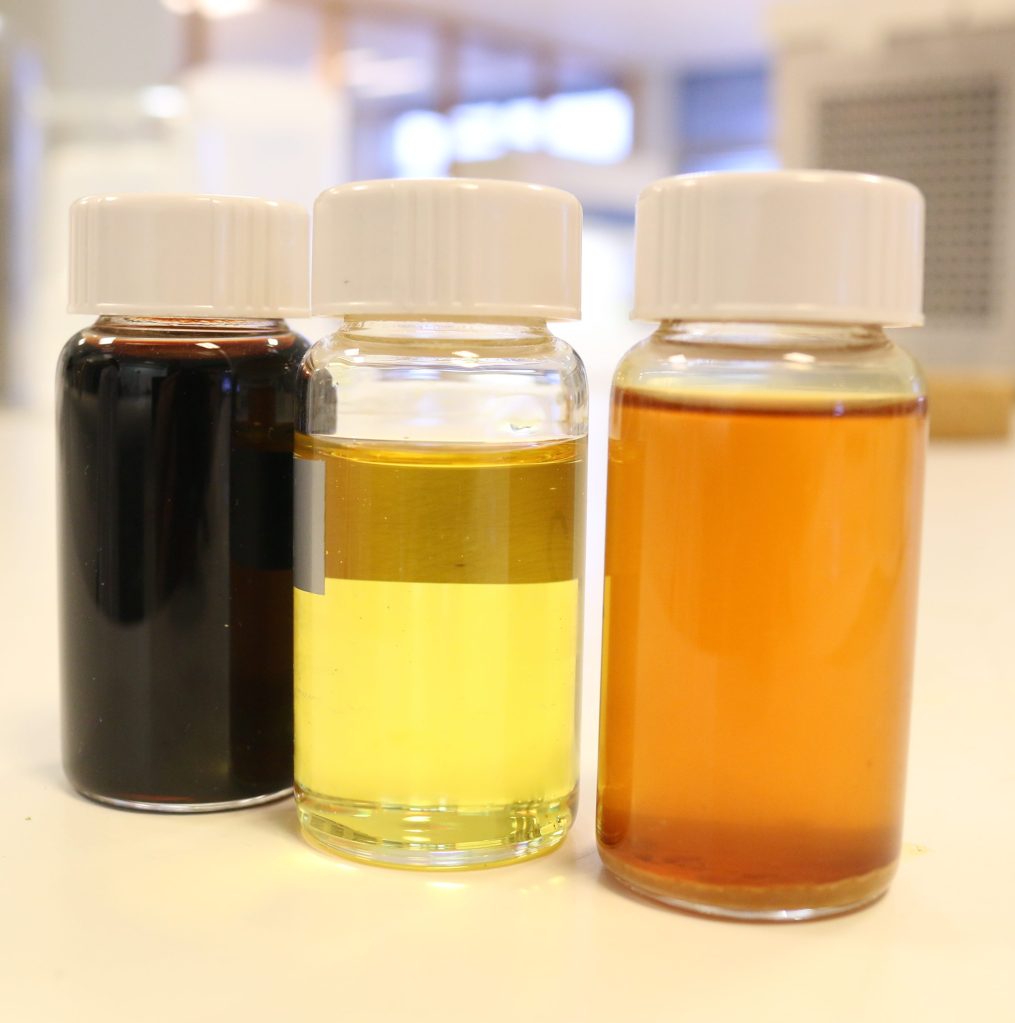
Just as the Akerendam treasure reshaped our understanding of maritime history, the discovery of this microalgae is set to reshape the future of pharmaceutical treatment. It’s a testament to the idea that sometimes, the greatest treasures are those we least expect—hidden beneath the waves, waiting to be uncovered.
Our news article and information about the Runde treasure:
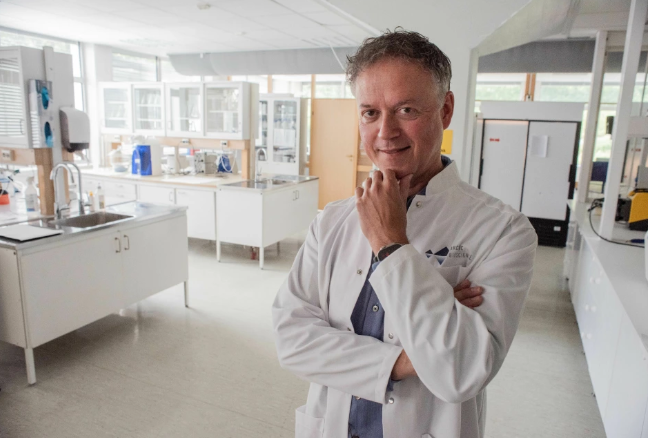
TV2 News Story:
Read more about our discovery and business
as published by TV2 :
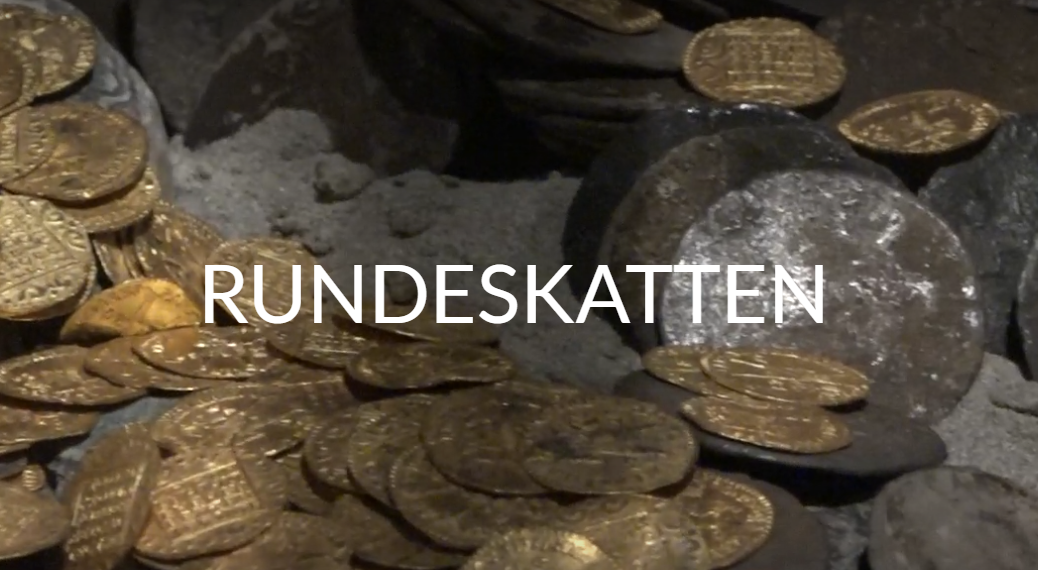
Runde Treasure:
Find more about the Runde treasure here:
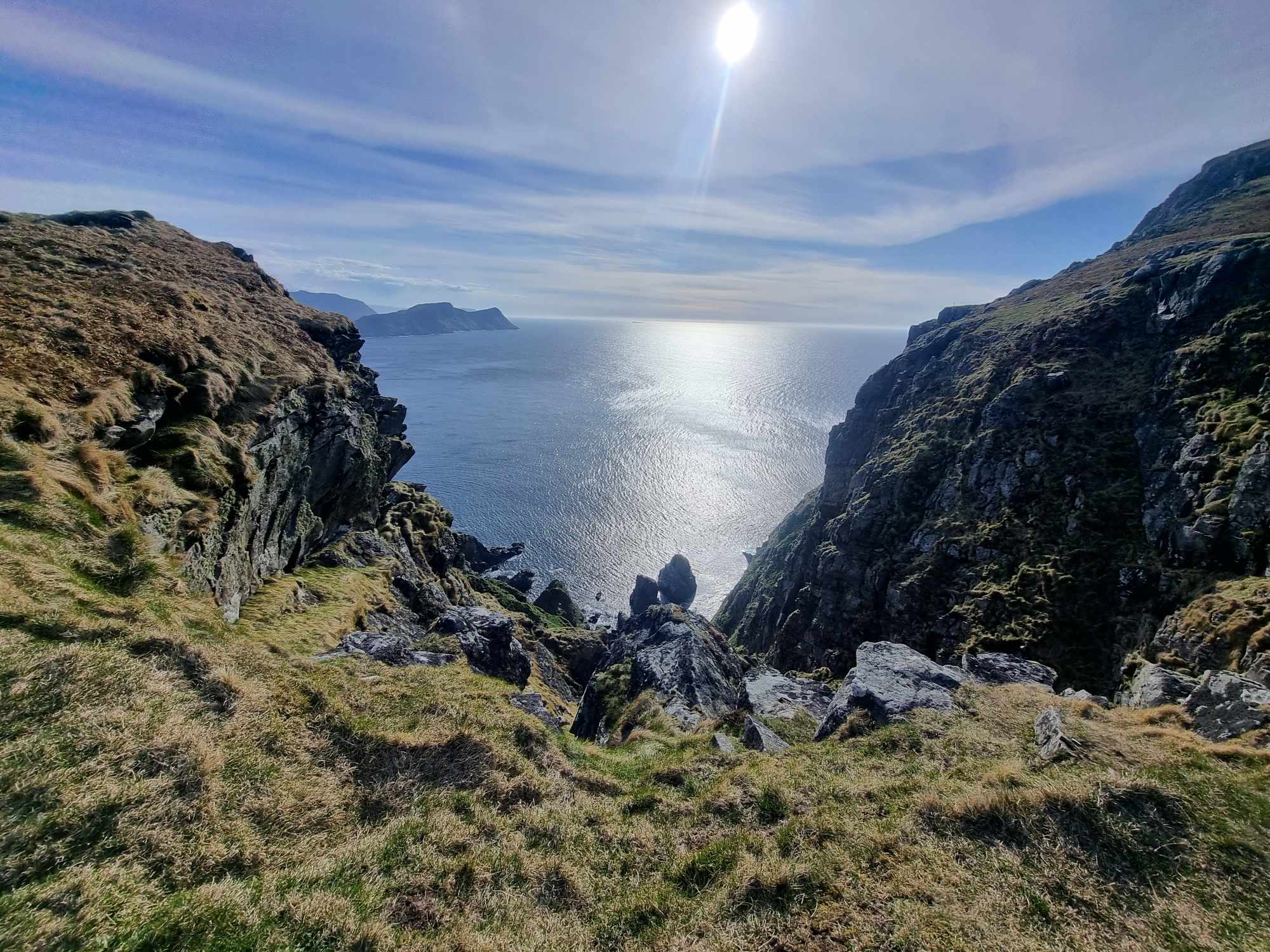
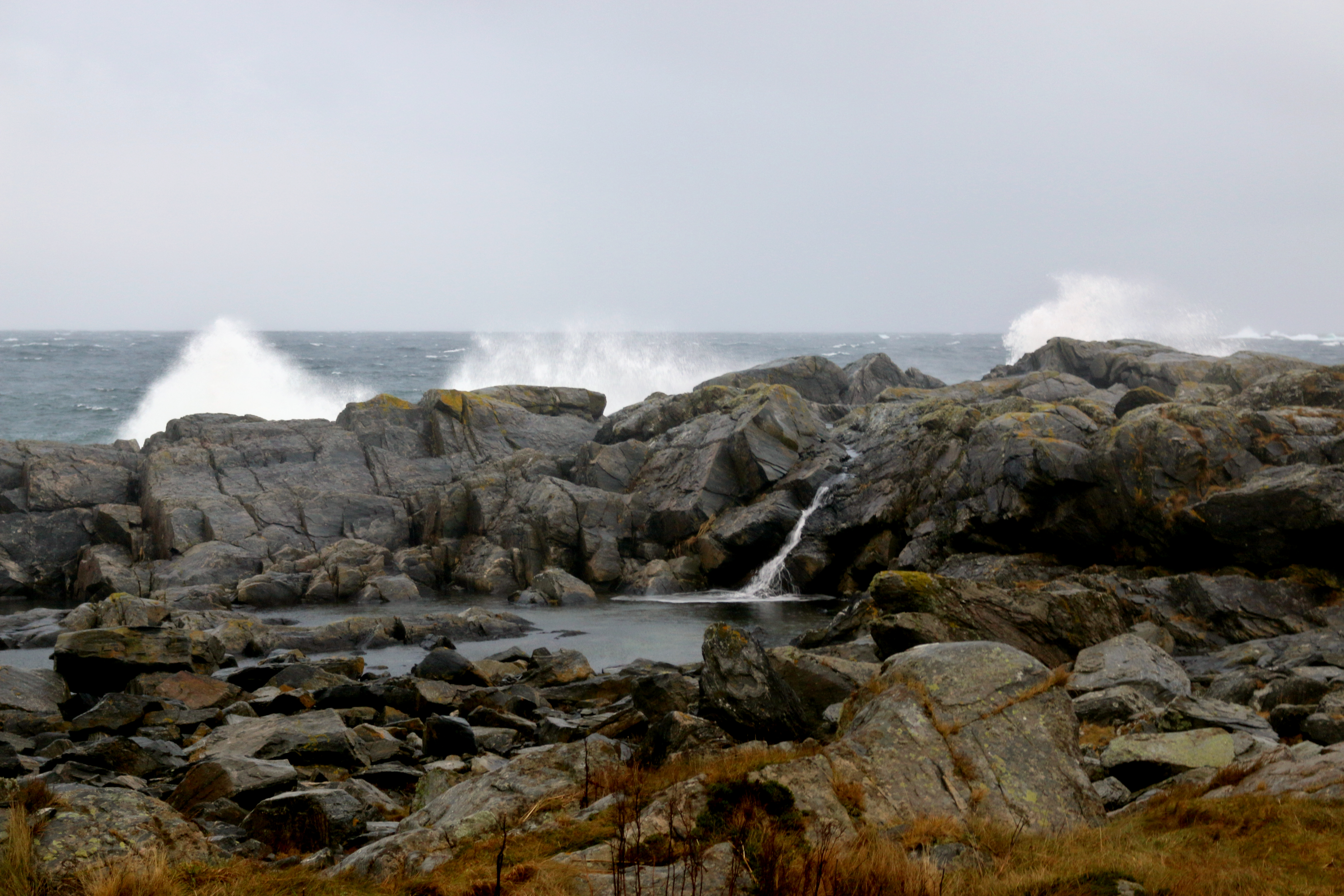
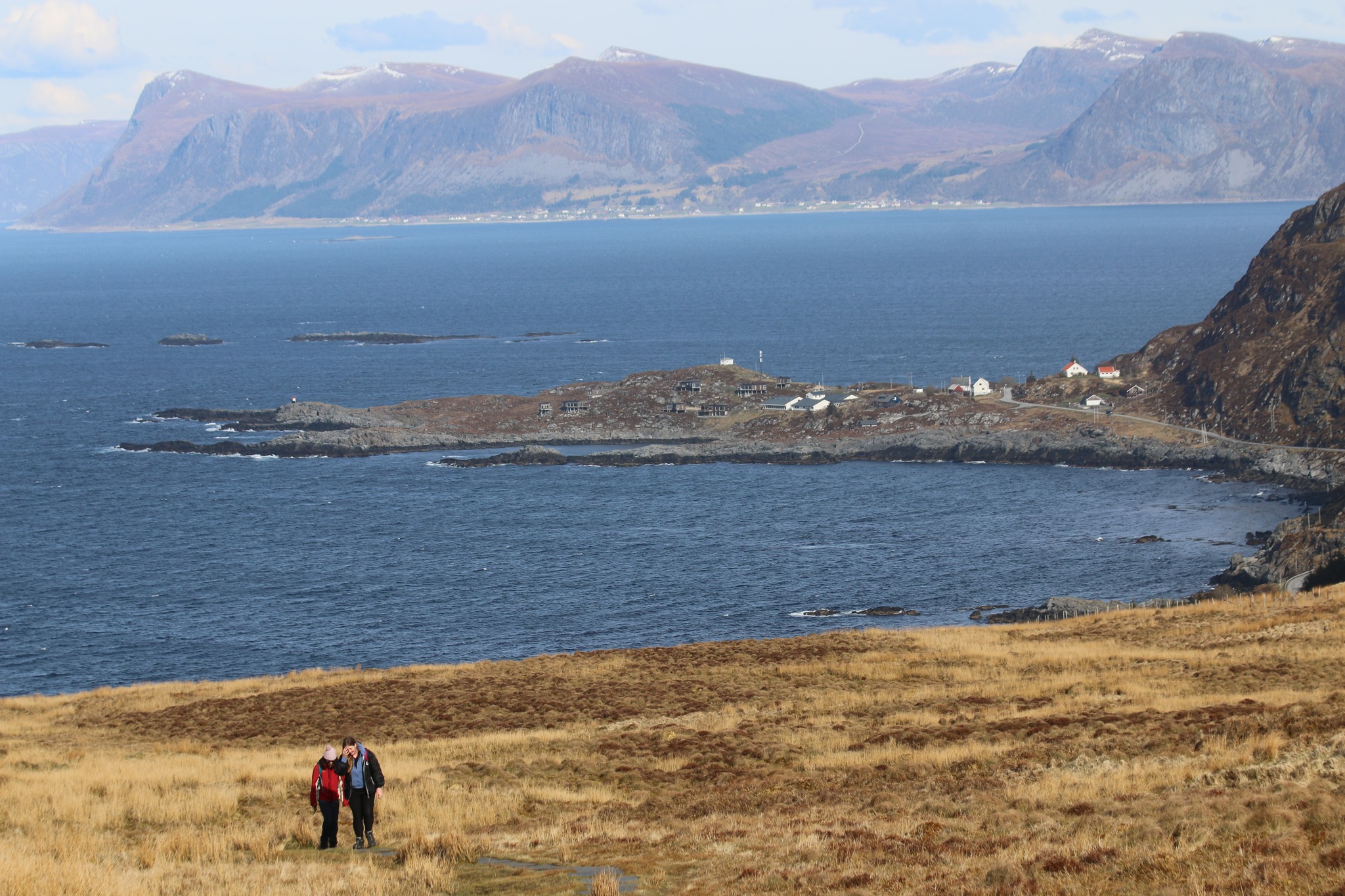
Runde Island, Norway:
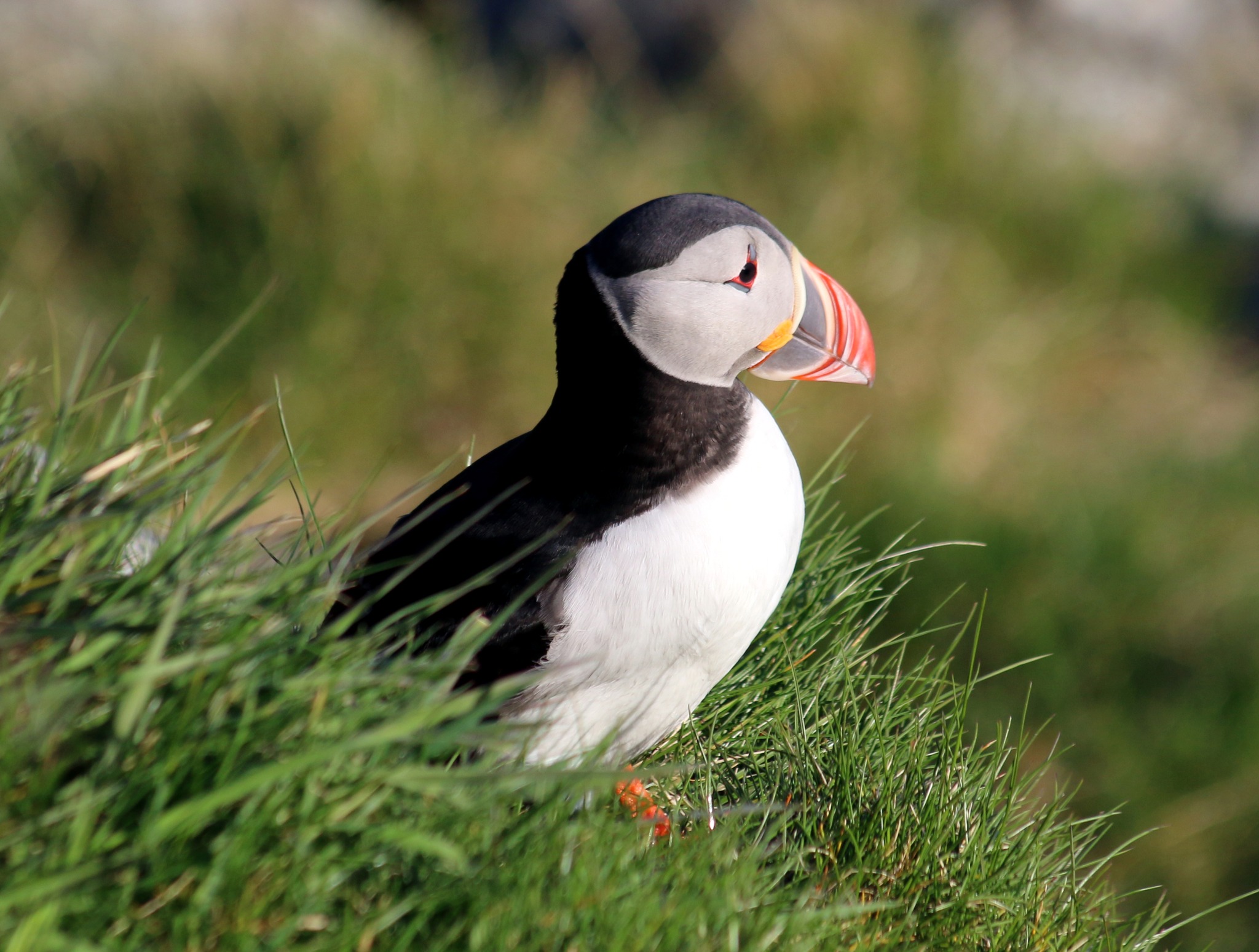
Runde is famous for its incredible bird life, hosting 100,000 nesting birds during the season from April to August, including puffins and sea eagles. This provides a nutrient rich and unique environment that serves as a hotspot for microplankton.
Interested in what we do? Please reach out — we’d be happy to share more about our work and explore opportunities to collaborate.
Contact
Org. no: 924 946 490
Menu
© Arctic Algae 2026
