
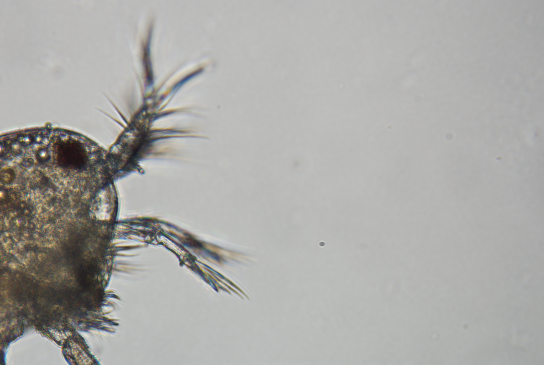
Live Prey for Aquaculture
Why Live Prey Matters:
Early-stage survival in aquaculture remains one of the most critical bottlenecks for hatcheries. While Artemia and formulated feeds are widely used, they often fall short in delivering the full nutritional and biological support larvae need during first feeding. Recent studies suggest that live prey — particularly copepods — may offer a more compatible solution, improving survival rates and developmental outcomes across species.
Why Choose Copepods:
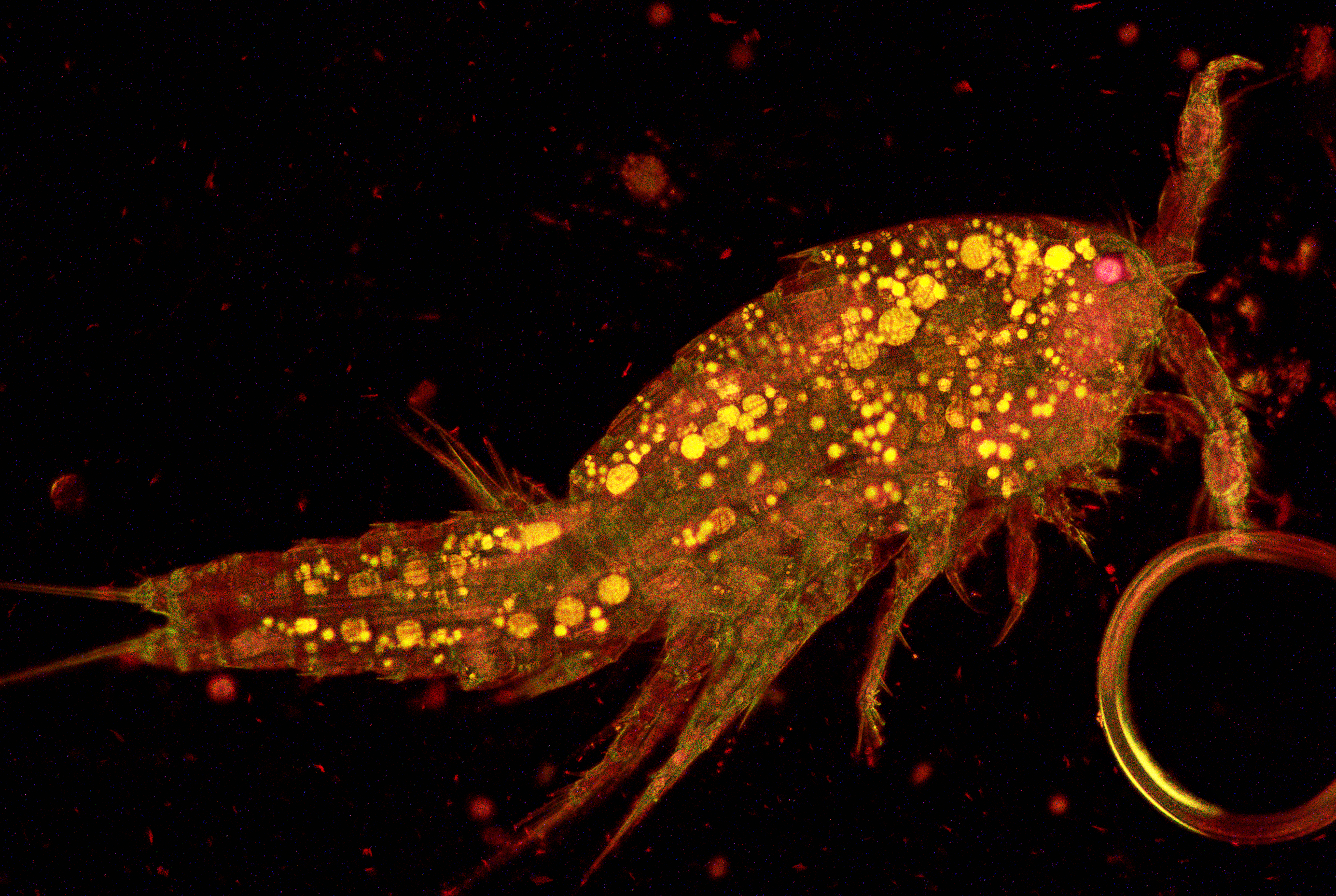
Copepods are naturally rich in essential fatty acids, particularly DHA and EPA, which are critical for neural development, pigmentation, and membrane formation in marine larvae. Unlike Artemia, which requires enrichment to reach adequate nutritional levels, copepods deliver these compounds in a bioavailable form without additional processing. This difference in nutrient density is one reason copepods have been linked to higher survival and metamorphosis success in several species. The image of a copepod stained with Nile Red highlights its internal lipid stores, visually demonstrating the nutritional value that makes it a superior feed option during first feeding.
We aim to provide aquaculture operations with high-quality live copepods and microalgae, enabling hatcheries to improve larval survival and growth while streamlining feed supply—delivering sustainable, ready-to-use live feed solutions for the industry.
Our Goal
Copepods vs. Artemia:
In studies on marine fish larvae, survival, pigmentation, and growth were consistently higher when fed copepods compared to enriched Artemia nauplii, confirming the nutritional and developmental advantages of copepods during first feeding (Støttrup, 2003; Wilcox et al., 2006).
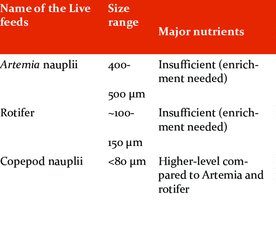
Altaff and Vijayaraj (2021).
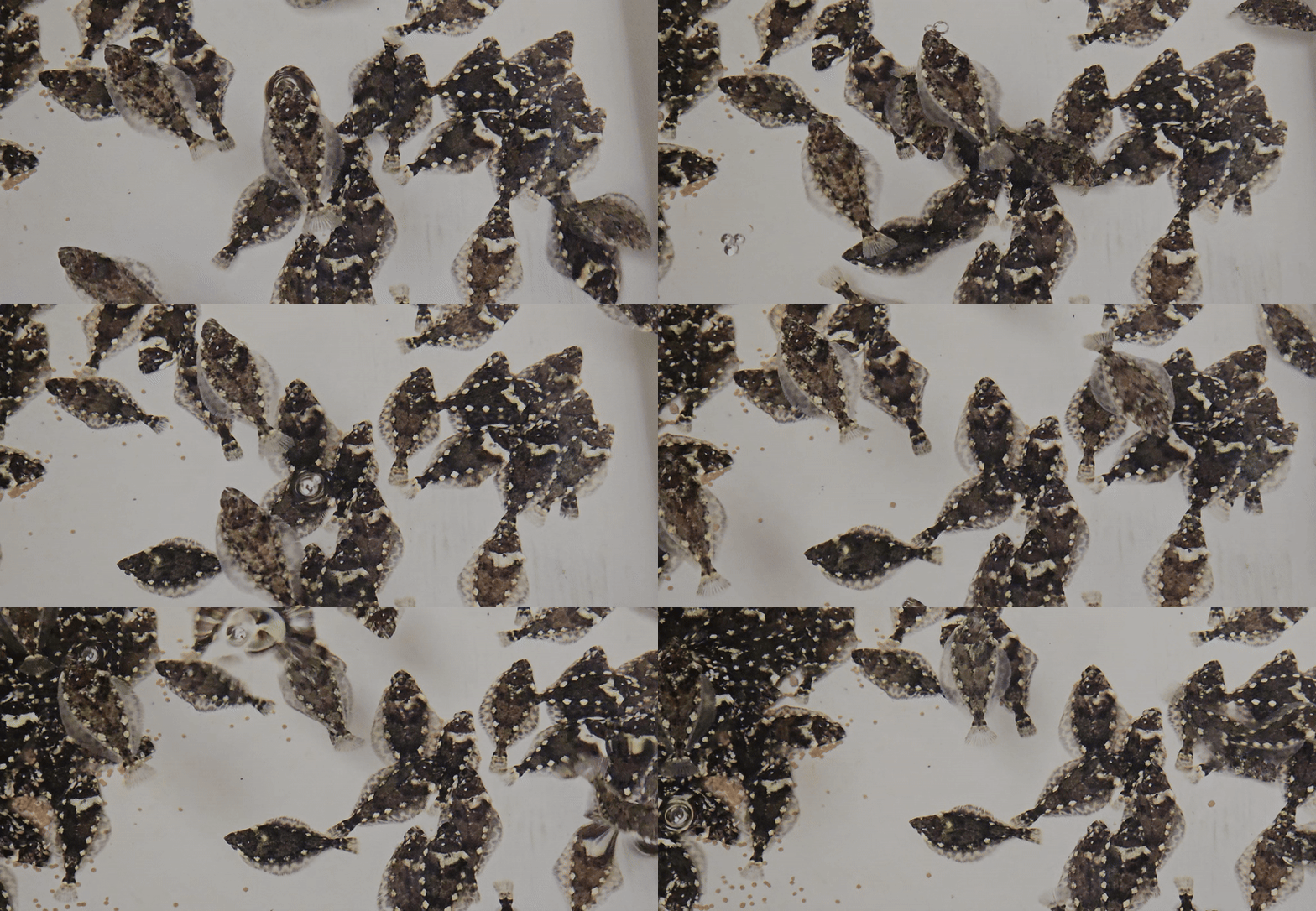
Improving metamorphosis success in halibut:
In a study on Atlantic halibut (Hippoglossus hippoglossus) larvae, 40% of copepod-fed individuals completed metamorphosis successfully, compared to just 4% of those fed enriched Artemia nauplii — demonstrating the clear nutritional and developmental advantage of copepods during early ontogeny (Shields et al., 1999).
Enhancing Fish Feed Formulas with Microalgae:
Integrating microalgae into fish feed formulations offers nutritional advantages by providing essential fatty acids, amino acids, and pigments. Studies have demonstrated that microalgae can replace traditional ingredients like fishmeal and fish oil, leading to improved growth performance and fillet quality in species such as Nile tilapia and Atlantic salmon.

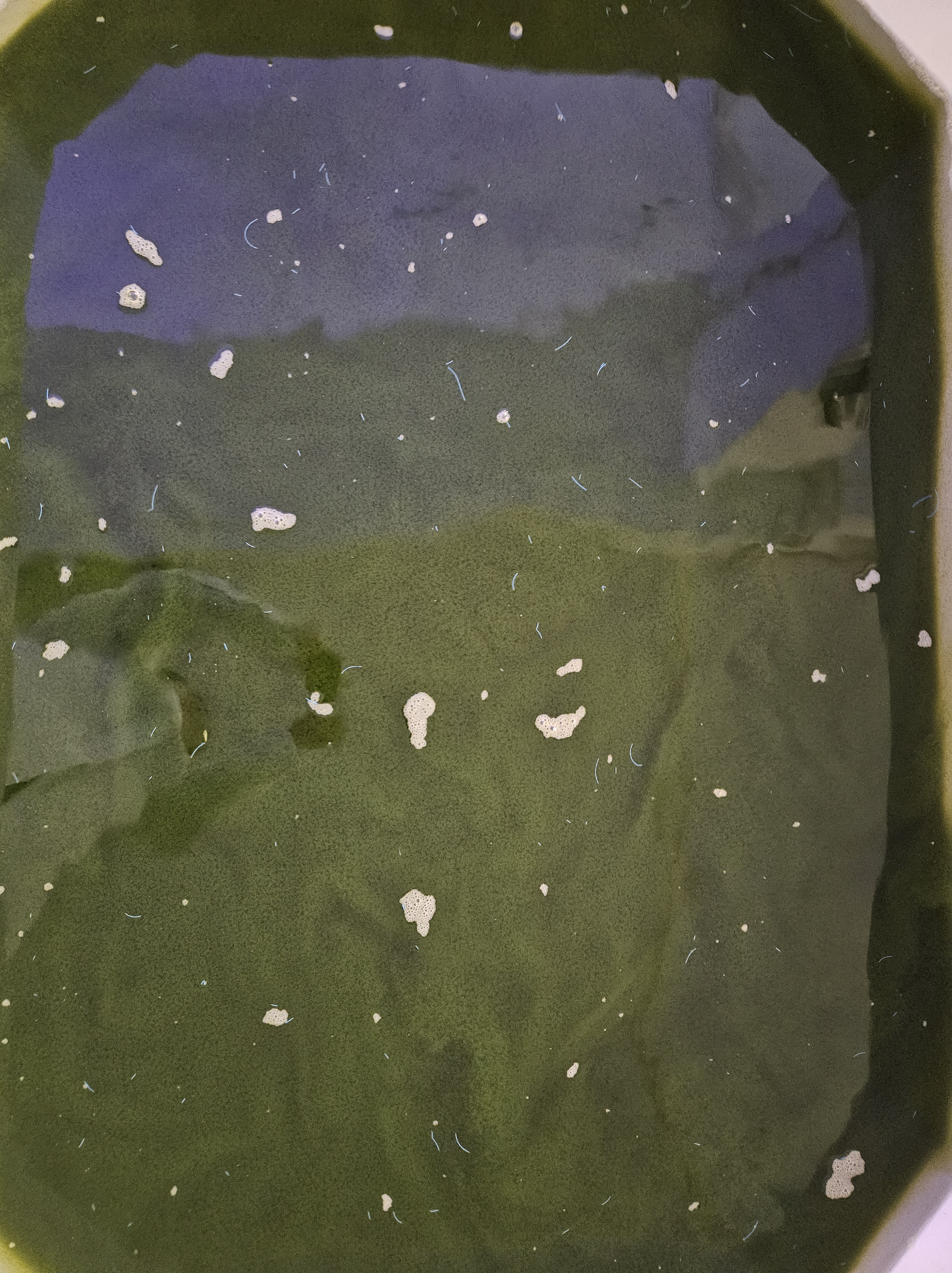
Green-Water Algae for Larval Survival:
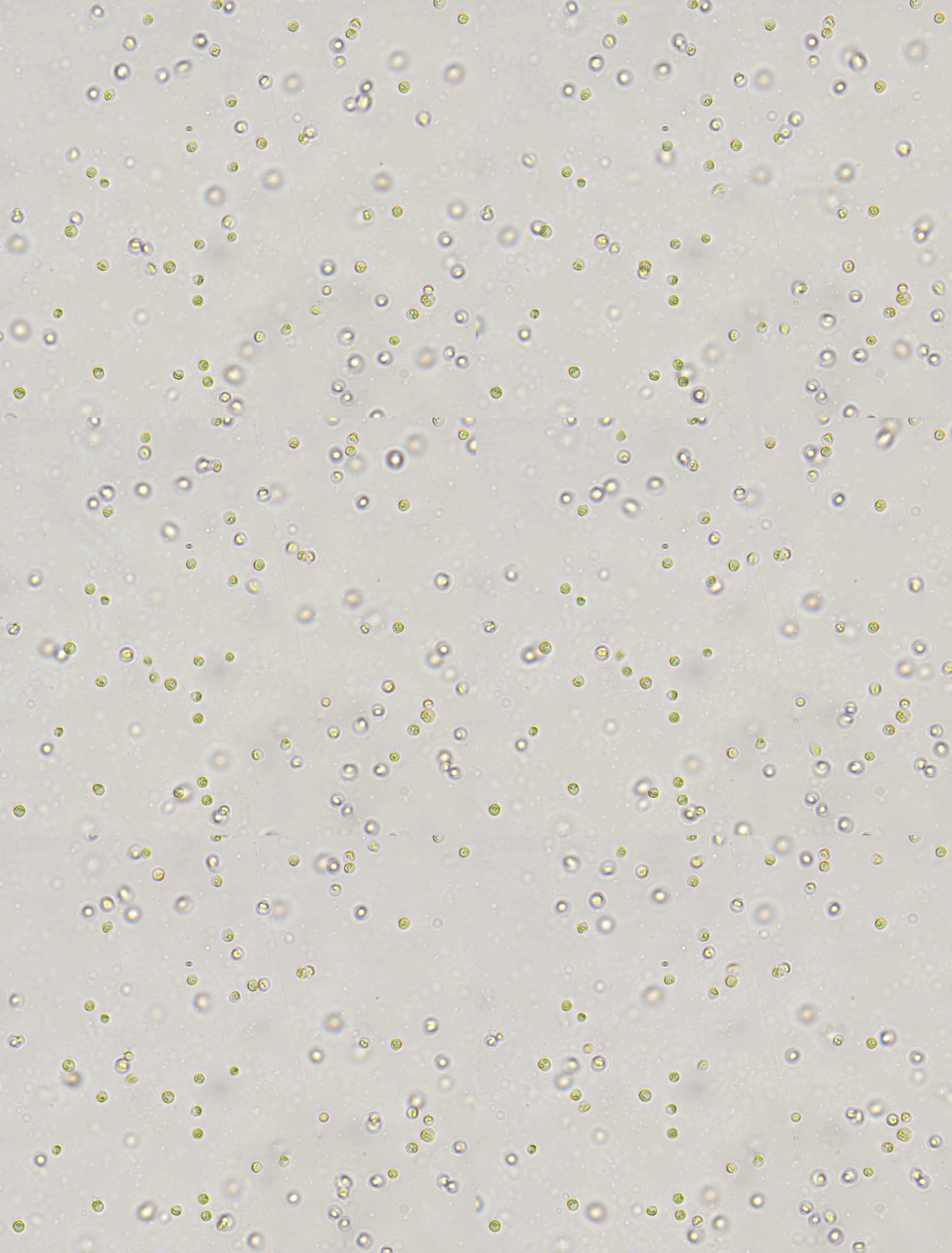
Introducing microalgae species that create green-water conditions, such as Tetraselmis, improves feeding efficiency and visual prey capture, reduces light stress, stabilizes water chemistry, and promotes beneficial microbial communities—collectively enhancing survival and performance of first-feeding fish larvae (Van der Meeren et al., 2015; Barakat et al., 2016).
Benefits of Live Algae for Zooplankton:
In aquaculture, feeding live microalgae to rotifers or copepods improves their nutritional quality by enriching them with essential fatty acids, vitamins, and carotenoids—resulting in healthier and more nutritious live prey for first-feeding fish larvae (Støttrup, 2003; Wilcox et al., 2006).
Contact us!
Curious about how live prey can enhance marine larval health and growth?
Discover the potential of integrating live prey into aquaculture practices. If you’re interested in exploring this approach or discussing collaboration opportunities, please contact us at post@arctic-algae.no or at the link below.
